
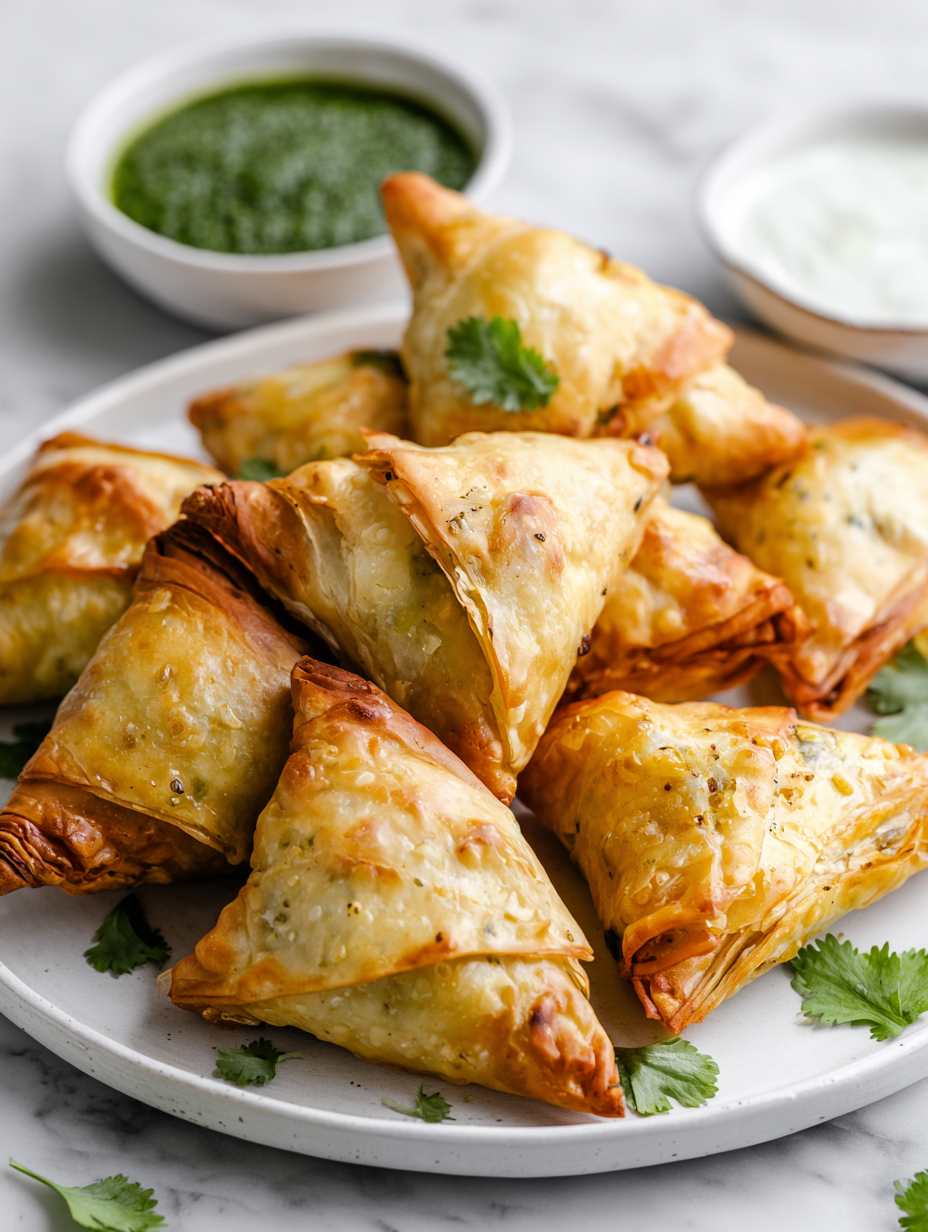
Switching up samosas from deep-fried to baked might sound like heresy, but honestly, it’s a revelation that changed how I enjoy these spicy bites. The oven gives you that crispy exterior without the greasy aftermath, and it feels a bit healthier without sacrificing flavor or crunch. Plus, I can throw these together on a busy weeknight without the usual splatter mess.
There’s something satisfying about filling the kitchen with warm, aromatic spices—cumin, coriander, a hint of turmeric—while the samosas bake to golden perfection. It’s a nostalgic smell that takes me straight to my childhood, but with a modern twist that keeps me coming back for more. Baking them means I get that crispy crunch, every time, without the chaos of hot oil splatters.
This recipe explores a healthier, oven-baked version of samosas, challenging the traditional deep-fried approach to bring crispy, flavorful bites into everyday cooking without sacrificing that satisfying crunch.
The story behind this recipe
- I first thought of baked samosas when I wanted that crispy, spicy snack without the mess of frying. It was a lazy Sunday, and I was craving something warm and satisfying but didn’t want to deal with hot oil splatters in the tiny kitchen. The idea of oven-baking instead of deep-frying felt like a small rebellion against tradition, but it worked.
- One afternoon, I tossed together some leftover vegetables and a handful of spices, shaped them into little pockets, and slid them into the oven. The smell that wafted through the house—rich cumin, smoky coriander, and toasted dough—felt like a small victory. Seeing them turn golden and crispy without the grease was oddly more satisfying than I expected.
- heading: ‘The story behind this recipe’
Ingredient breakdown: key components
- Potato: I like using starchy, fluffy potatoes for that tender bite inside. If you prefer firmer filling, try red potatoes—they hold shape better during baking.
- Frozen peas: They add a pop of sweetness and color. No need to thaw—just toss them straight in for an even cook, they’ll soften nicely with the spices.
- Cumin seeds: Toast them lightly in a dry pan until fragrant, about 30 seconds. It releases their smoky aroma, making the filling more vibrant.
- Wheat flour (for sealing): I use a simple all-purpose flour, but if you want a softer crust, try a dash of chickpea flour—adds a nutty flavor and keeps it tender.
- Spices (curry powder, turmeric): I prefer a good quality curry powder—bright, smoky, and full of flavor. Adjust the amount based on your spice tolerance, but don’t skimp on that warm aroma.
- Olive oil (for brushing): I brush the tops with a light coating before baking—gives a golden sheen and a slight crispness. If you want less oil, just skip it, but the color will be duller.
- Lemon juice: Brightens the filling with a fresh zing. Squeeze it in last, just before stuffing, for a lively contrast to the warm spices.
Spotlight on key ingredients
Potato:
- I prefer starchy, fluffy potatoes for that tender, melt-in-your-mouth filling. Red potatoes hold shape better if you want firmer bites.
- Frozen peas: They add a sweet pop and vibrant color. Toss them straight in without thawing — they soften perfectly during baking.
Cumin seeds:
- Toast them lightly until fragrant, about 30 seconds. They release a smoky aroma that makes the filling more lively and warm.
- Lemon juice: Brightens the filling with a zingy freshness. Squeeze it in at the end, right before stuffing for a lively contrast.
Notes for ingredient swaps
- Dairy-Free: Use coconut yogurt instead of regular yogurt for a tropical twist and creaminess without dairy.
- Gluten-Free: Swap all-purpose flour with chickpea or rice flour for a nutty flavor and suitable for gluten sensitivities.
- Vegan: Replace butter in dough with coconut oil or vegan margarine to keep the crust tender and flaky.
- Low-Sodium: Use less salt in the filling and opt for herbs and spices to boost flavor without added sodium.
- Spice Level: Adjust chili powder or cayenne to control heat—add more for a fiery kick or skip for milder bites.
- Fresh Herbs: Incorporate chopped cilantro or mint into the filling for a burst of fresh, aromatic flavor.
- Peas: Use frozen green beans or corn if you don’t have peas—still adds color and texture, just different veggies.
Equipment & Tools
- Baking sheet: To hold the samosas during baking.
- Parchment paper: Prevent sticking and make cleanup easier.
- Rolling pin: Roll out dough evenly.
- Knife or pizza cutter: Cut dough into circles and seal edges.
- Small brush: Lightly oil the samosas before baking.
Step-by-step guide to baked samosas
- Preheat your oven to 200°C (390°F). Gather a baking sheet lined with parchment paper and a small brush for oil.
- Prepare the filling: In a skillet over medium heat (about 160°C/320°F), heat 1 tbsp olive oil. Add 1 tsp cumin seeds; toast until fragrant, about 30 seconds. Toss in 2 cups mashed potatoes, 1/2 cup frozen peas, 1 tsp turmeric, 1 tsp curry powder, and salt to taste. Cook, stirring, until heated through and fragrant, about 3-4 minutes. Remove from heat and stir in 1 tbsp lemon juice. Let cool slightly.
- Meanwhile, make the dough: Mix 1 1/2 cups all-purpose flour with a pinch of salt. Add 3 tbsp cold water and 2 tbsp olive oil. Knead until smooth and elastic, about 5 minutes. Cover with a damp cloth and let rest for 15 minutes.
- Divide the dough into 8 equal pieces. Roll each into a thin circle about 15 cm (6 inches) in diameter. Use a sharp knife or pizza cutter for clean edges.
- Scoop about 2 tbsp of filling onto one half of each dough circle. Fold over to create a semi-circle. Seal the edges with a little water and press to crimp, making sure there are no openings.
- Place the samosas on the prepared baking sheet. Brush the tops lightly with olive oil for a golden finish.
- Bake in the preheated oven for 20-25 minutes, until the tops are golden brown and crispy. Check after 15 minutes and rotate the tray if uneven browning.
- Remove from oven and let rest for 5 minutes. Serve warm, with a side of tangy chutney or yogurt.
Let the baked samosas rest for 5 minutes before serving. Pair with chutney or yogurt for dipping. Serve warm for best crunch and flavor.
How to Know It’s Done
- Golden, crispy exterior with even browning.
- Filling is hot, fragrant, and slightly firm but not mushy.
- Samosas hold shape when lifted, with sealed edges intact.
Oven-Baked Samosas
Ingredients
Equipment
Method
- Preheat your oven to 200°C (390°F). Line a baking sheet with parchment paper to prevent sticking and set aside.
- In a dry skillet over medium heat, toast the cumin seeds until fragrant, about 30 seconds. This releases their smoky aroma and enhances the filling's flavor.
- Add the mashed potatoes, frozen peas, turmeric, curry powder, and a pinch of salt to the skillet. Stir everything together and cook for about 3-4 minutes until heated through and fragrant. Remove from heat and stir in the lemon juice for a fresh, zesty kick.
- Meanwhile, prepare the dough by mixing the flour, salt, and olive oil in a bowl. Gradually add water and knead until the dough is smooth and elastic, about 5 minutes. Cover with a damp cloth and let rest for 15 minutes to relax the gluten.
- Divide the rested dough into 8 equal portions. Roll each piece into a thin circle about 15 cm (6 inches) in diameter on a lightly floured surface. Use a rolling pin to achieve an even thickness.
- Scoop about 2 tablespoons of the filling onto one side of each dough circle. Moisten the edge with a little water using the small brush or your finger, then fold the dough over to form a semi-circle.
- Press along the sealed edge and crimp with your fingers or a fork to create a tight seal, ensuring no filling escapes during baking.
- Place the assembled samosas on the prepared baking sheet. Brush the tops lightly with olive oil for a golden, crispy finish.
- Bake in the preheated oven for 20-25 minutes, turning the tray halfway through, until the samosas are deep golden brown and crispy. Keep an eye on them after 15 minutes to prevent over-browning.
- Remove the samosas from the oven and let them rest for 5 minutes. Serve warm with your favorite chutney or yogurt for dipping and enjoy the satisfying crunch.
Pro tips for crispy baked samosas
- Use a light hand when sealing edges to prevent leaks during baking.
- Chill the filled samosas for 10 minutes before baking to firm up the filling and prevent bursting.
- Brush with oil generously before baking to achieve a shiny, crispy surface.
- Rotate the tray halfway through baking for even color and crispiness.
- Use a toothpick or skewer to poke small holes in the samosas if they puff up too much, releasing steam.
- For extra crunch, sprinkle a little sesame or nigella seeds on top before baking.
- Keep an eye on the oven; the samosas can go from perfect to burnt quickly after 20 minutes.
Common mistakes and how to fix them
- FLOUR DUMPED IN: Sift flour to avoid lumps and ensure smooth dough consistency.
- OIL DUMPED TOO EARLY: Wait until filling cools slightly before sealing to prevent sogginess.
- SEALING MISTAKE: Moisten edges with water, then press firmly for a leak-proof seal.
- OVEN OVER-TORCHED: Cover with foil if edges brown too quickly, prevent burning.
Quick fixes and pantry swaps
- When soggy, splash a little vinegar in the filling to brighten flavors and tighten texture.
- If filling leaks, patch with a dab of water and press seal firmly before baking.
- Over-browned edges? Shield with foil and lower oven temp for even crispness.
- Dumped too much oil? Use a paper towel to gently absorb excess before baking to prevent greasy tops.
- When samosas stick, sprinkle a tiny bit of flour under them before flipping or lifting for easy removal.
Prep, store, and reheat tips
- Prep the filling and dough ahead of time; store separately in airtight containers in the fridge for up to 24 hours. The flavors meld nicely overnight, and the filling stays fragrant and moist.
- Assemble samosas just before baking to prevent the dough from drying out or becoming sticky. Keep them covered loosely with plastic wrap if not baking immediately.
- Frozen baked samosas can be stored for up to 1 month. Pack them in a single layer in a sealed container or zip-top bag, and reheat directly from frozen for a crispy finish.
- Reheating in the oven at 180°C (355°F) for 10-12 minutes restores crunch and warmth. For a softer texture, microwave for 30-40 seconds, but expect less crispness. The smell of toasted spices and crispy crust will tell you they’re ready.
Top questions about baked samosas
1. How do I get the samosas crispy without frying?
Use a baking sheet lined with parchment to prevent sticking and ensure even baking. Use a brush to lightly oil the tops for a golden finish.
2. What’s the best oven temperature for crispy samosas?
Bake at 200°C (390°F) for 20-25 minutes, flipping halfway. Look for a deep golden color and firm, crisp texture.
3. How long should I let baked samosas rest before serving?
Let them rest for 5 minutes after baking to settle the filling and prevent burns. Serve warm with chutney or yogurt.
4. Can I prepare samosas in advance?
Fillings can be made ahead, stored in the fridge for up to 24 hours. Assemble and bake just before serving for best crunch.
5. Do I need to thaw the peas before adding?
Use frozen peas straight from the freezer—no need to thaw. They soften during baking and add a sweet burst of flavor.
6. How do I prevent the filling from leaking?
Seal edges with a little water and press firmly to prevent leaks. Chilling the assembled samosas for 10 minutes helps with sealing.
7. How do I achieve even browning?
Brush with oil before baking to promote browning and crispiness. Rotate the tray halfway through baking for even color.
8. What flour can I use for the crust?
Use a mixture of all-purpose and chickpea flour for a tender, flavorful crust. Adjust based on dietary needs or flavor preference.
9. How do I know when the samosas are done?
Check for doneness by looking for deep golden color, crispy exterior, and a filling that’s hot and fragrant.
10. How do I reheat leftovers without losing crunch?
Reheat in a 180°C (355°F) oven for 10 minutes for crispy bites. Microwave for 30-40 seconds if you prefer softer texture.
Baked samosas bring that satisfying crunch without the greasy aftermath, making them a more approachable snack for everyday. The warm spices and crispy exterior feel like a small celebration, even when you’re just snacking alone. Sometimes, simplicity like this is exactly what a busy week calls for.
No matter how many times I make them, that first bite—crispy, fragrant, with a hint of lemon—still surprises me. It’s a reminder that good, honest food doesn’t have to come with a long list of ingredients or complicated techniques. Just a few basic steps for a cozy, flavorful bite that feels right now.

Hi, I’m James Whitmore, the creator behind Salt Evangelist. If there is one ingredient I believe deserves more respect, it is salt. Not because it makes food salty, but because it makes food come alive. Salt highlights sweetness, softens bitterness, sharpens acidity, and deepens savoriness. It is not just seasoning. It is transformation.